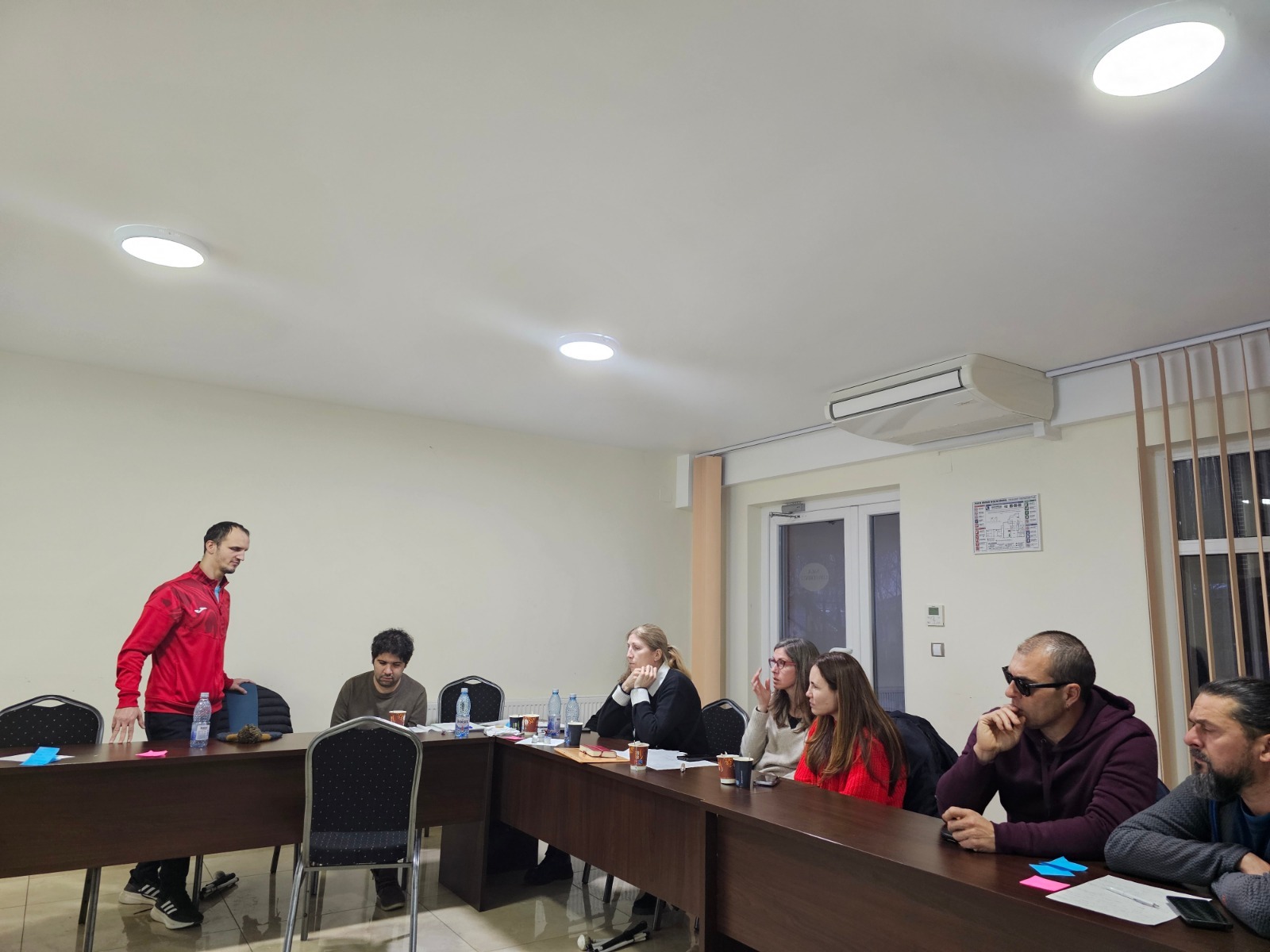
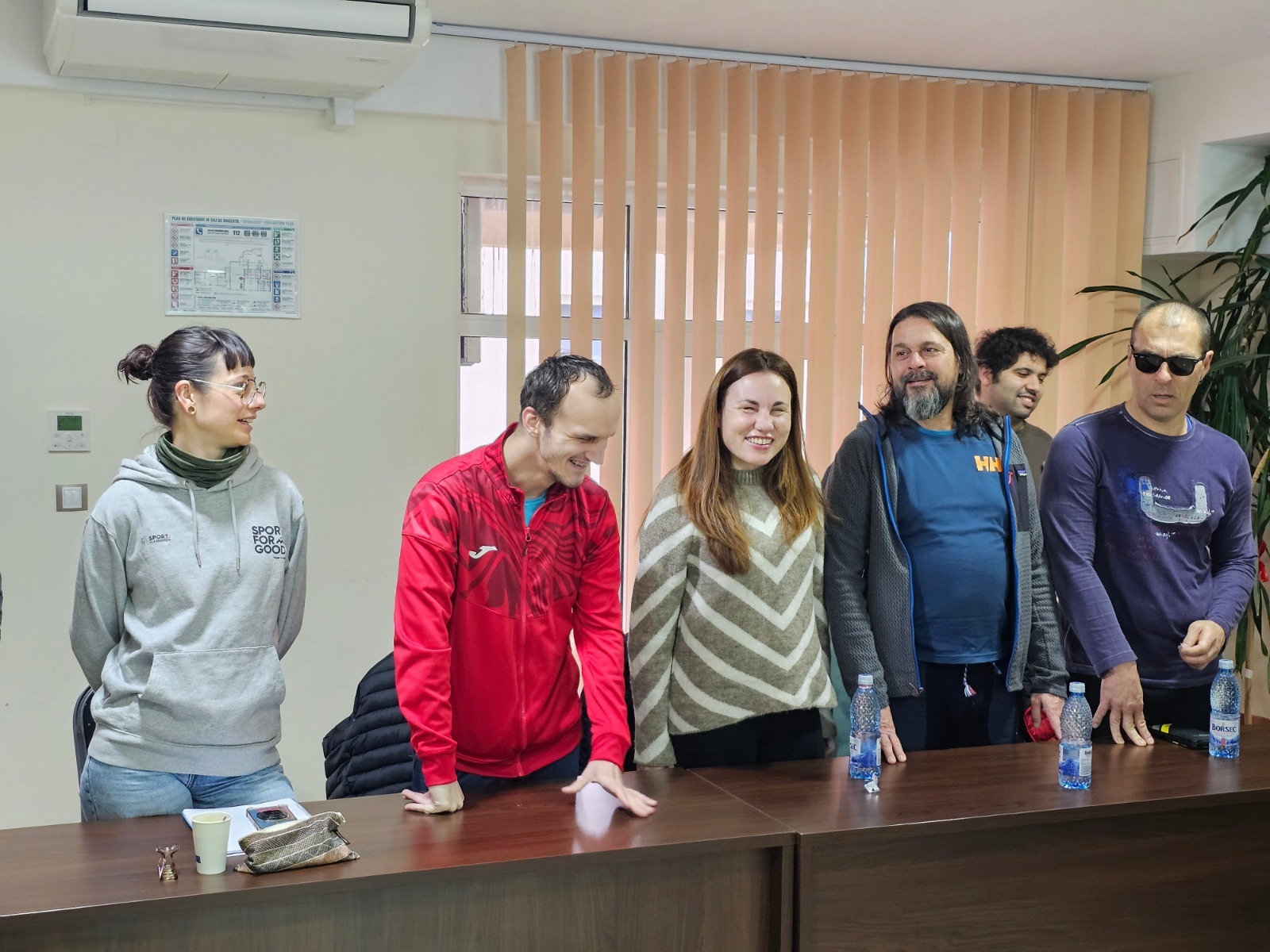
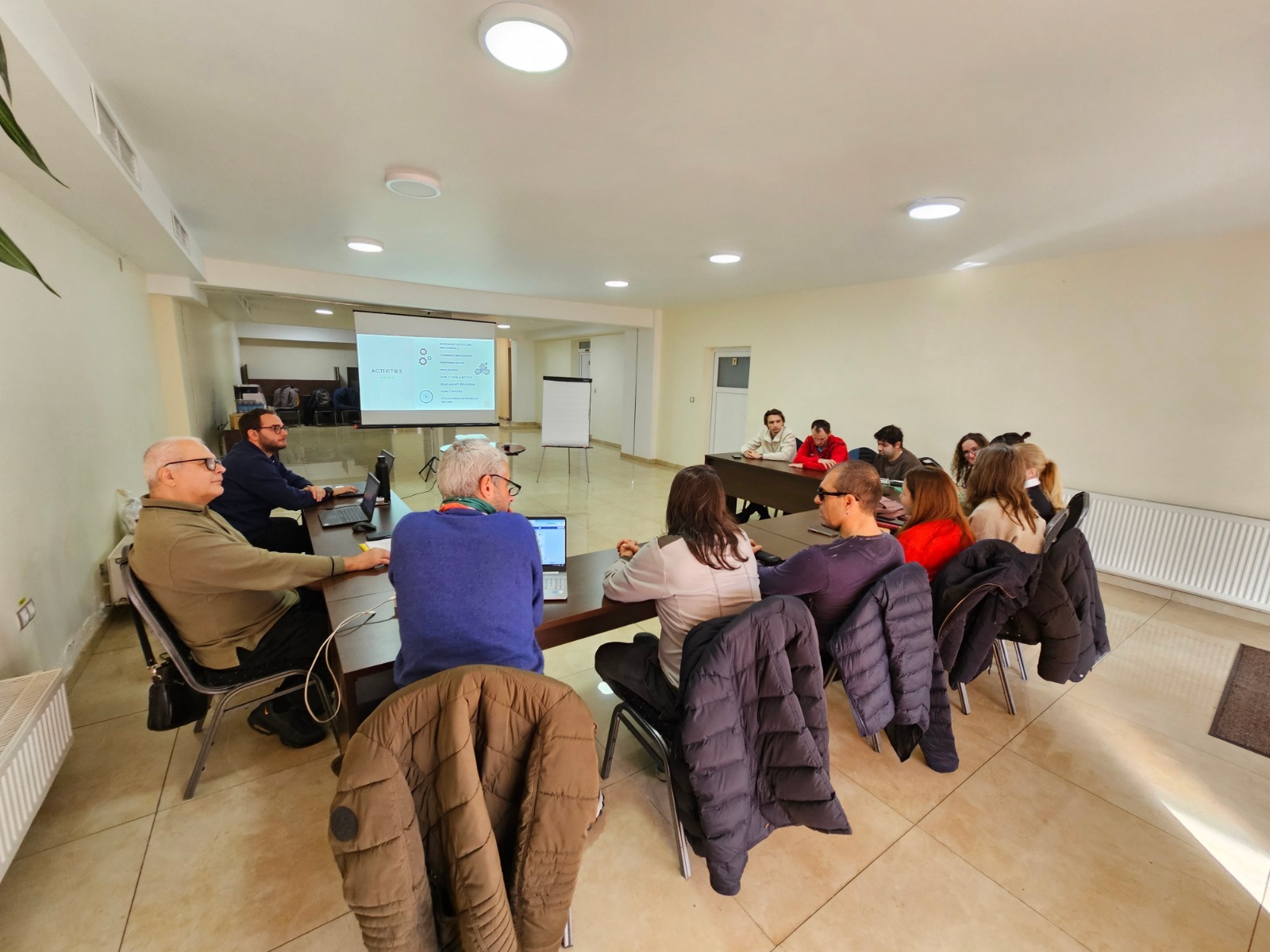
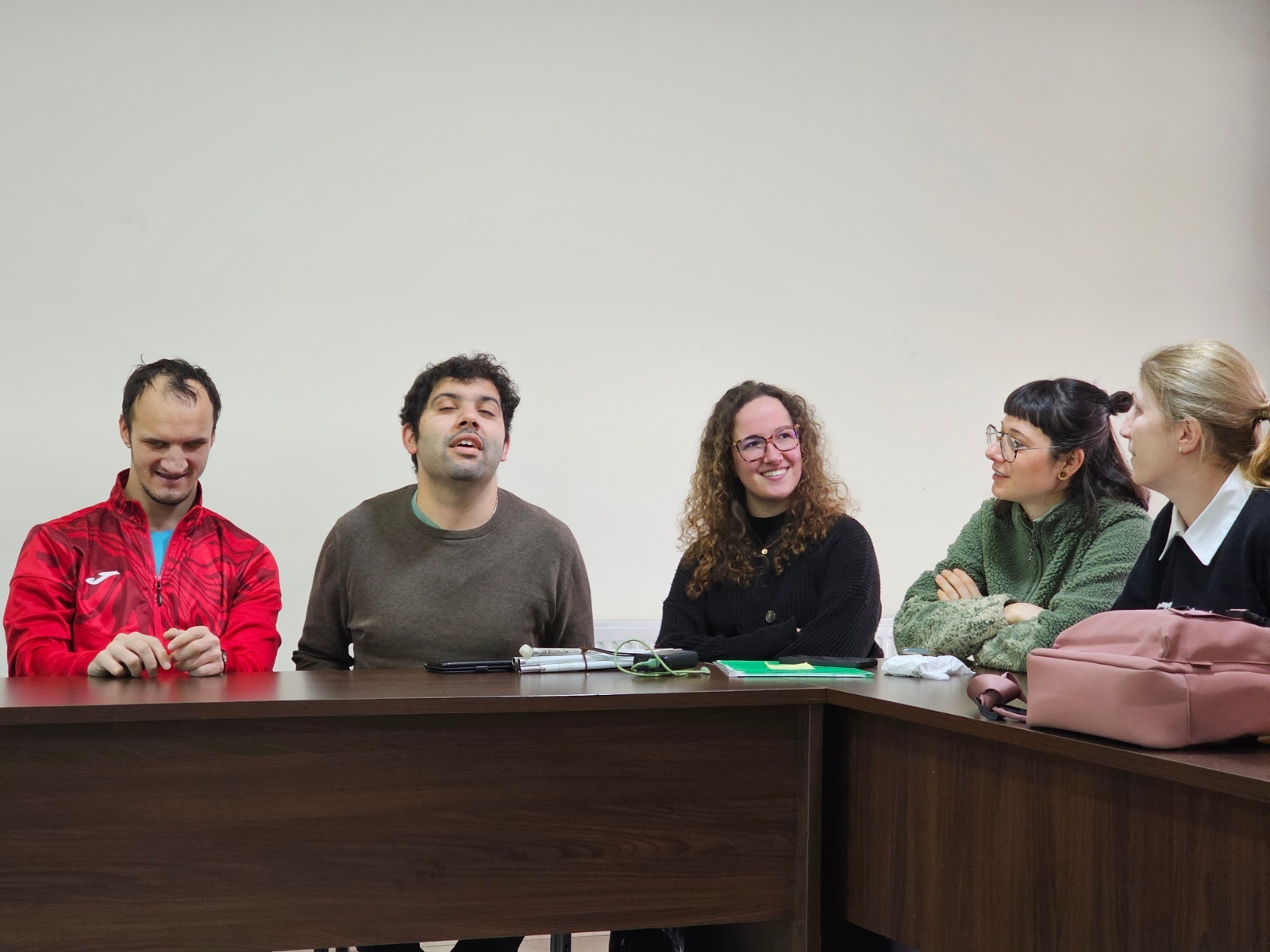
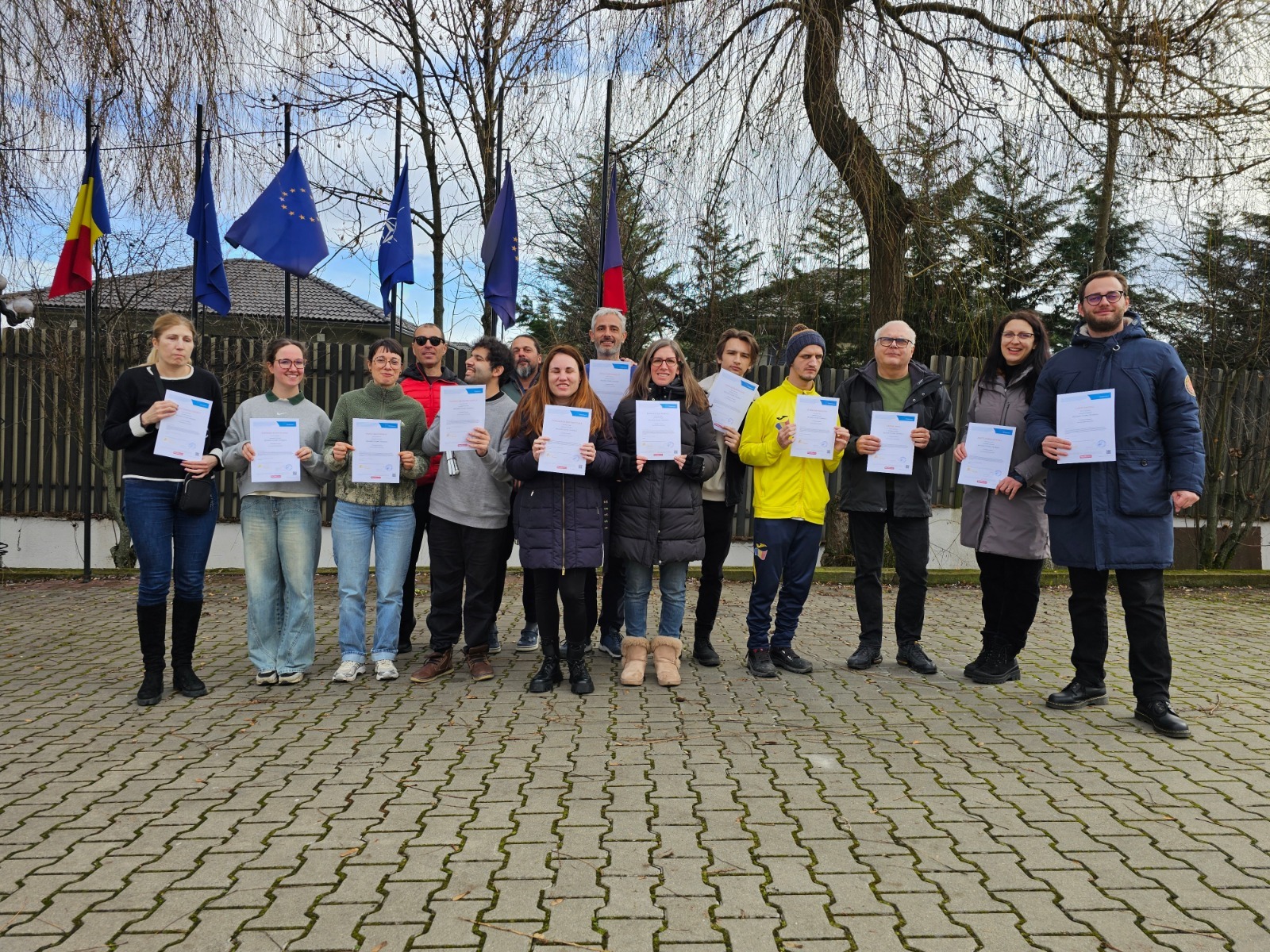
From 2 to 6 February 2026, Cluj-Napoca hosted the training course “Inclusive Cycling: The Basics”, an international learning experience focused on inclusion, accessibility, and outdoor activities for people with visual impairments. The training is the first phase of the “Cycling for Inclusion” CYCLE-IN project.
The training brought together youth workers, educators, and practitioners from Romania, Spain, and Belgium, all interested in using sport and outdoor activities as tools for social inclusion and empowerment.
The main goal of the training was to introduce the concept of inclusive tandem cycling and explore how cycling can become accessible and meaningful for blind and visually impaired young people. Participants learned about social inclusion, disability awareness, and inclusive youth work, while also discussing the role of outdoor programmes and sports in supporting well-being, participation, and community connection.
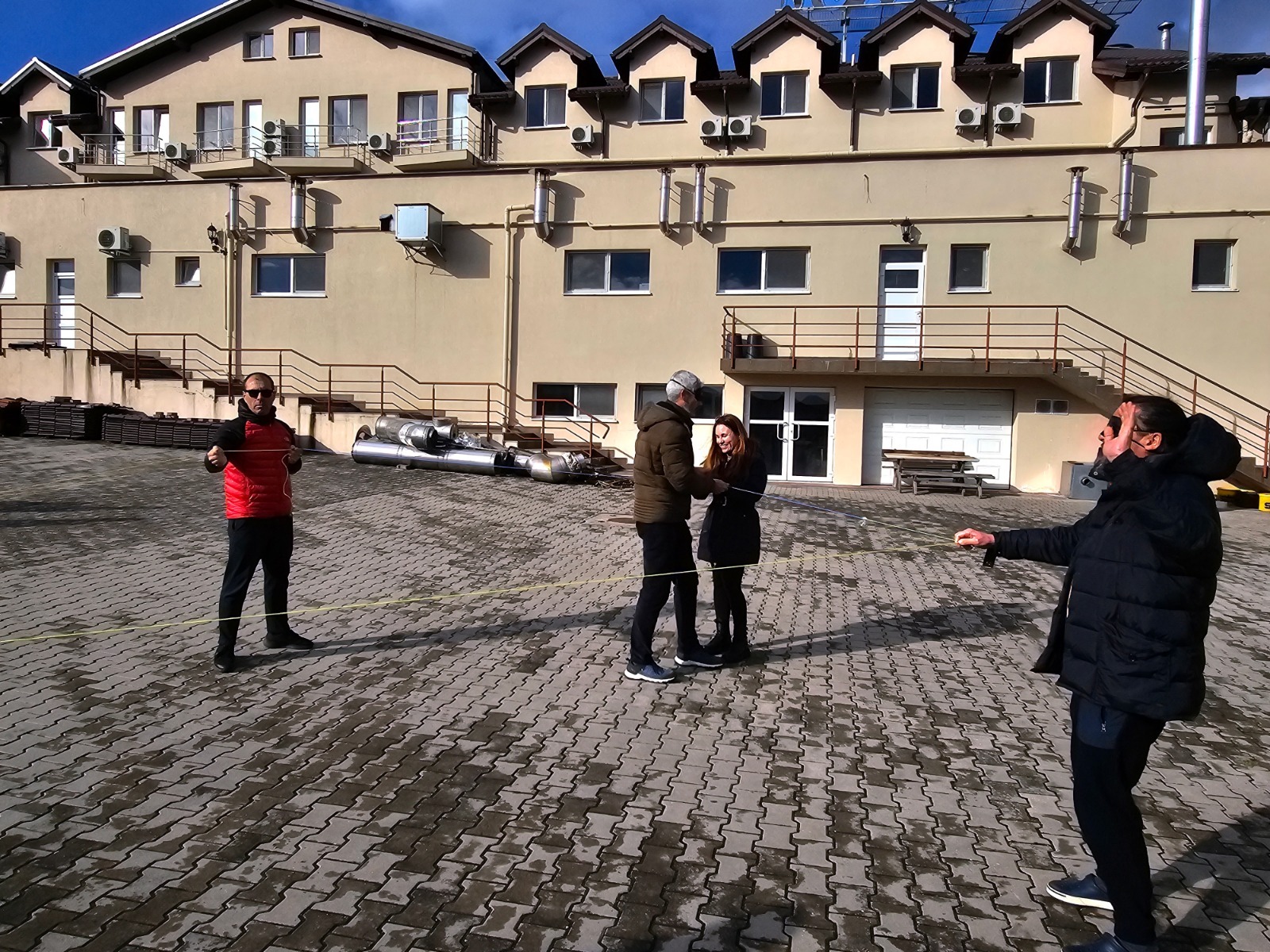
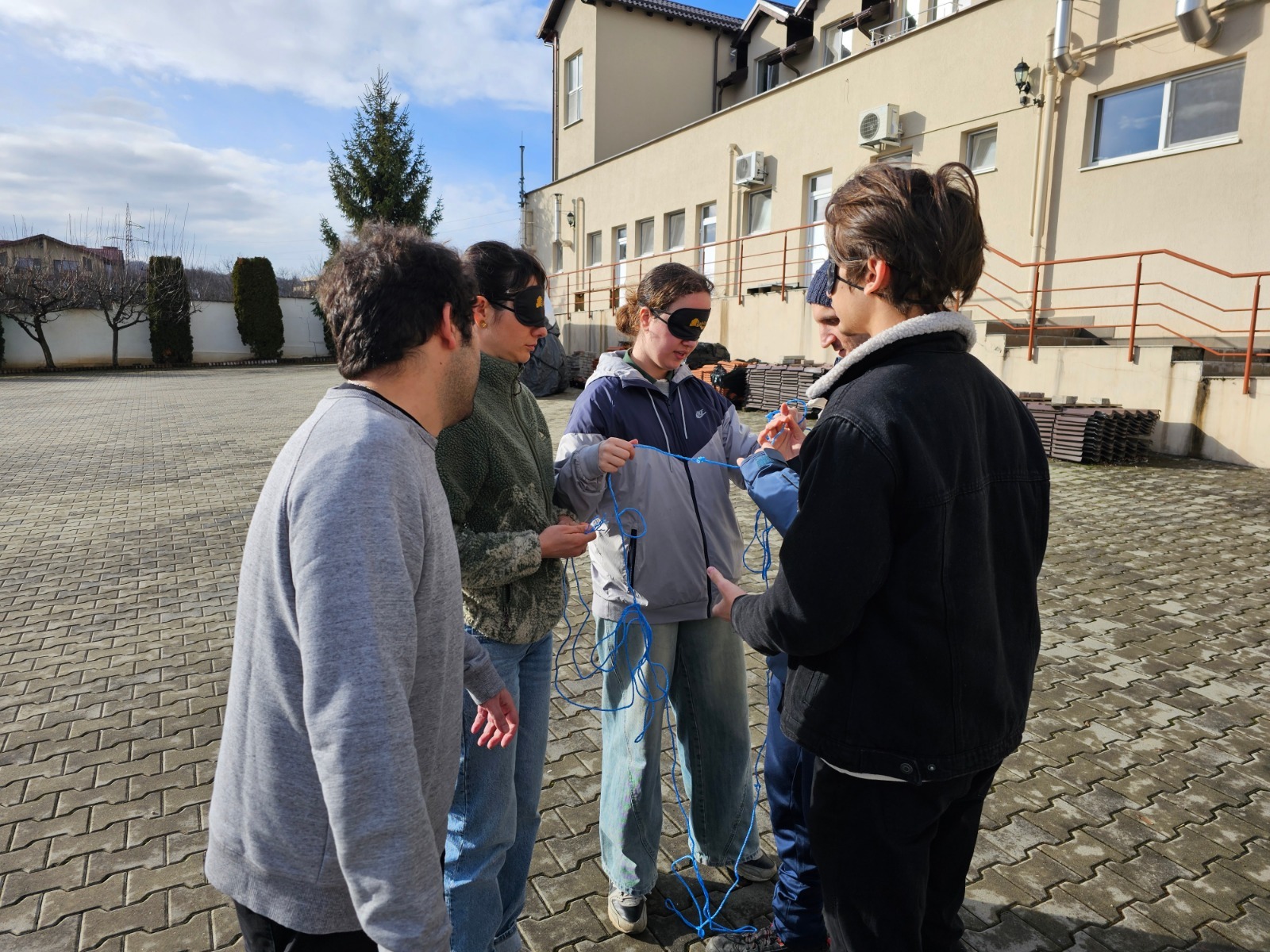
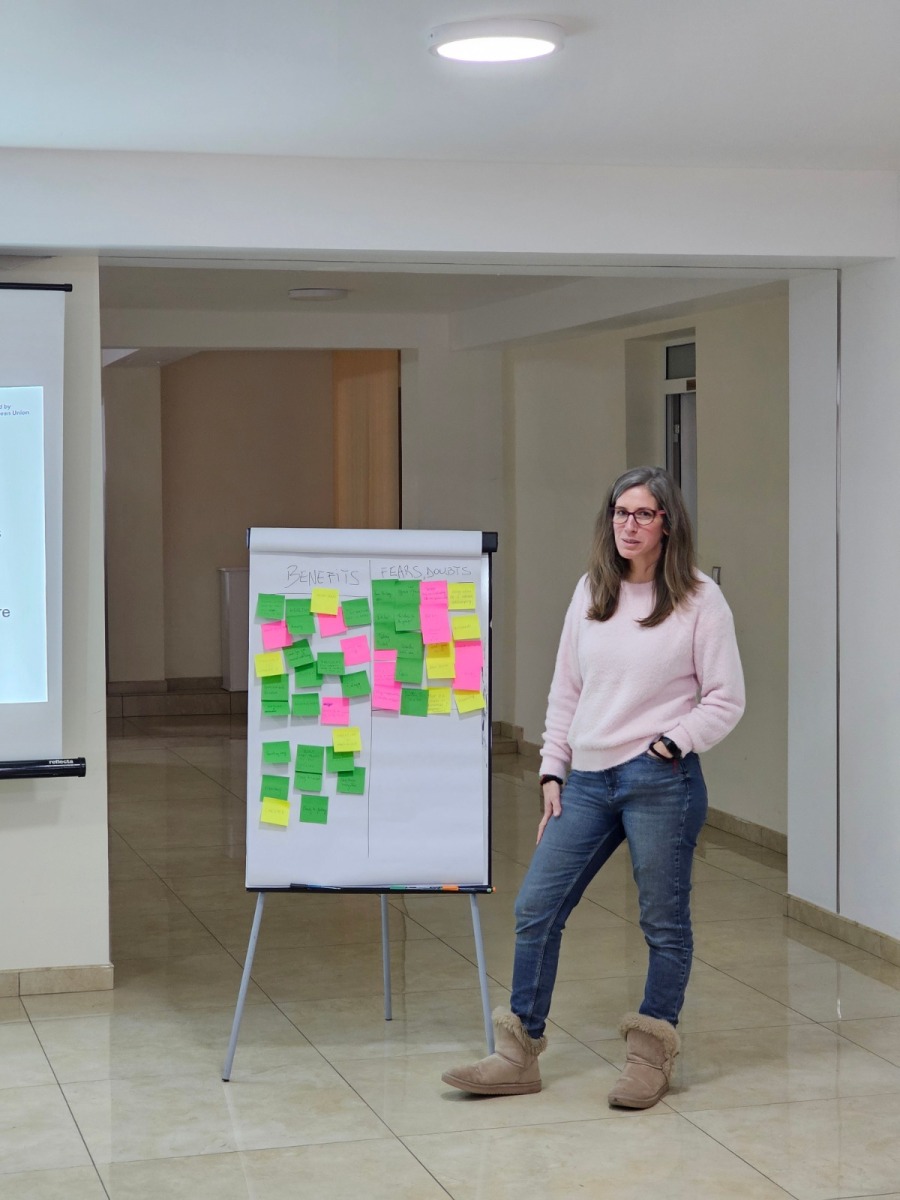
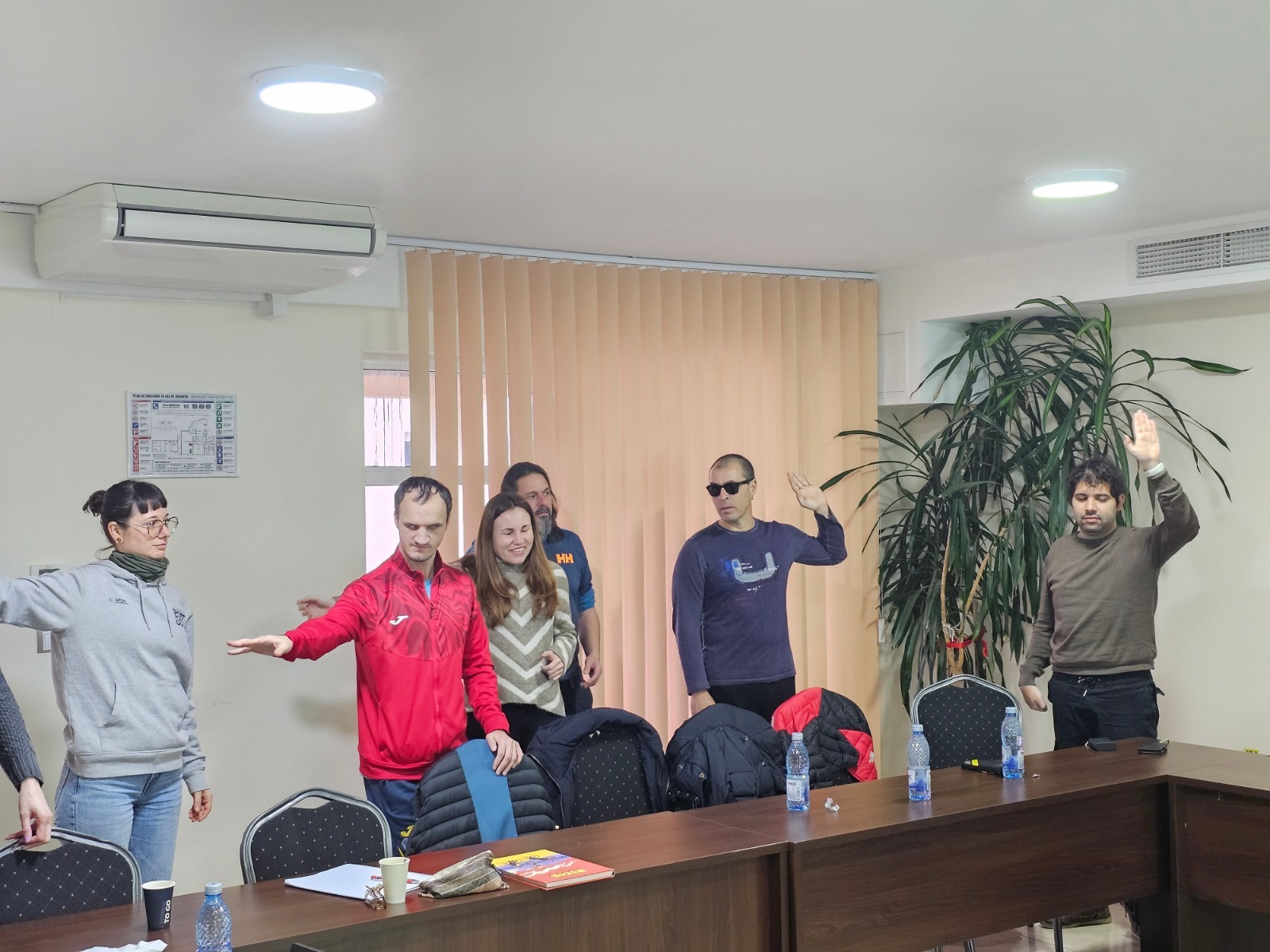
Rather than focusing only on theory, the programme combined short presentations with discussions, group work, reflection moments, and interactive activities. This approach helped participants connect the concepts to real-life situations and their own professional contexts.
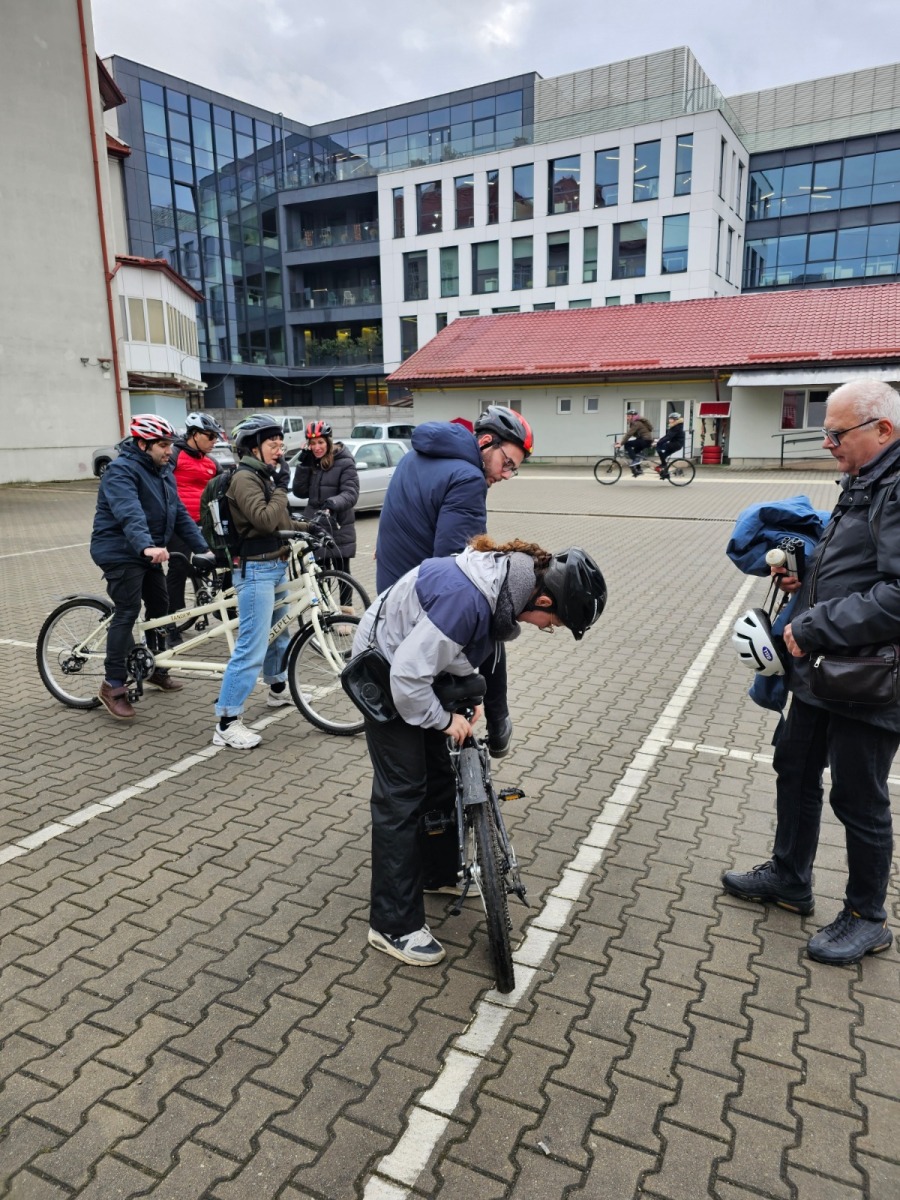
A key part of the training focused on safety measures, ethical aspects, and basic principles of tandem cycling. Participants explored what it means to create a safe and respectful environment for visually impaired cyclists, how communication works on a tandem bicycle, and what responsibilities come with organising inclusive outdoor activities.
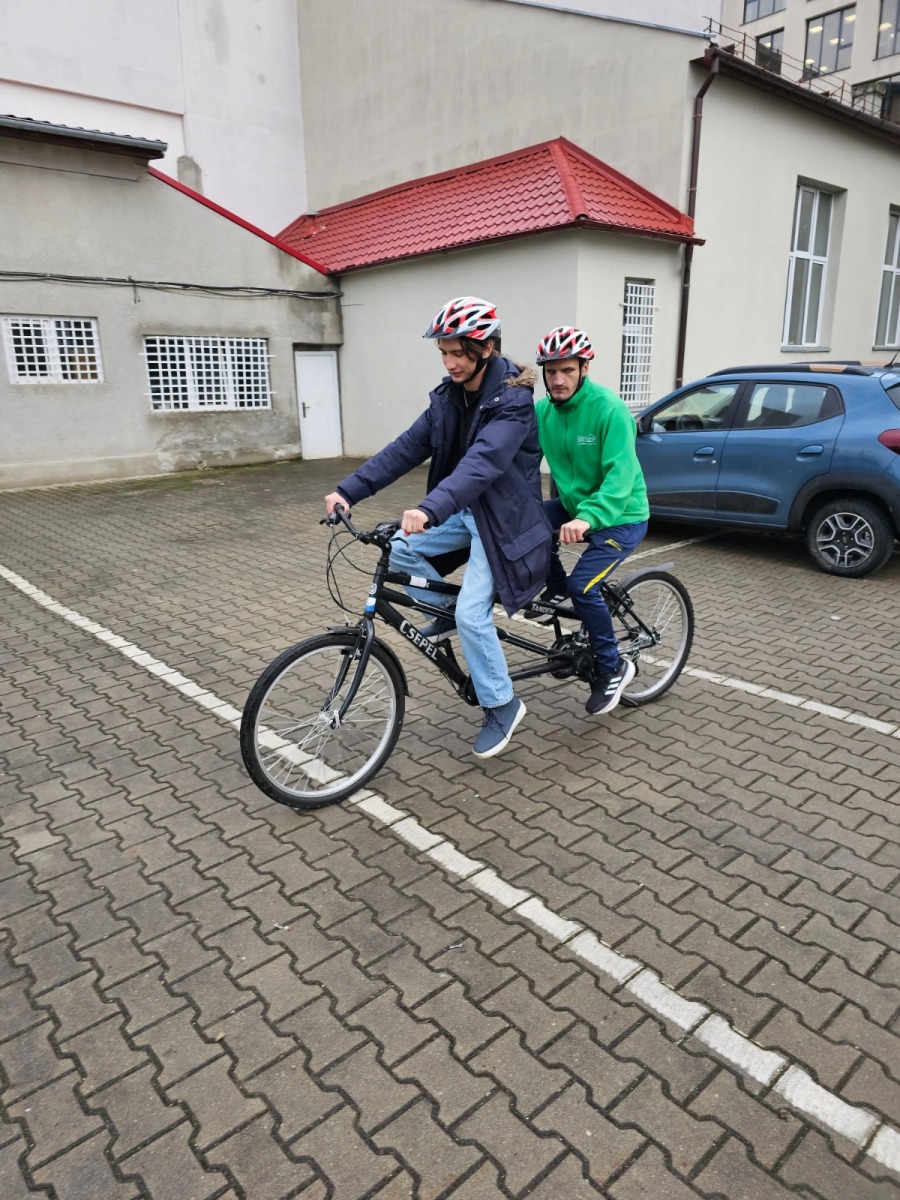
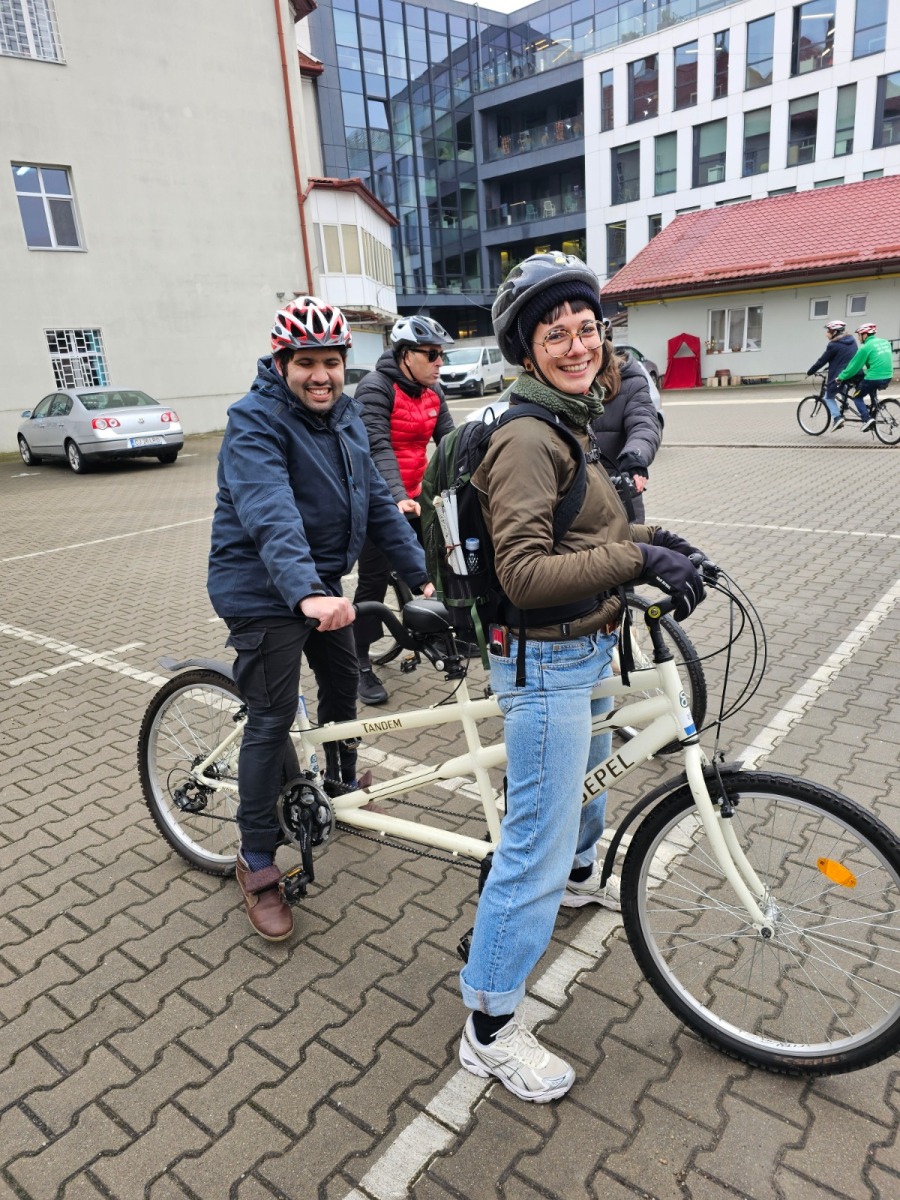
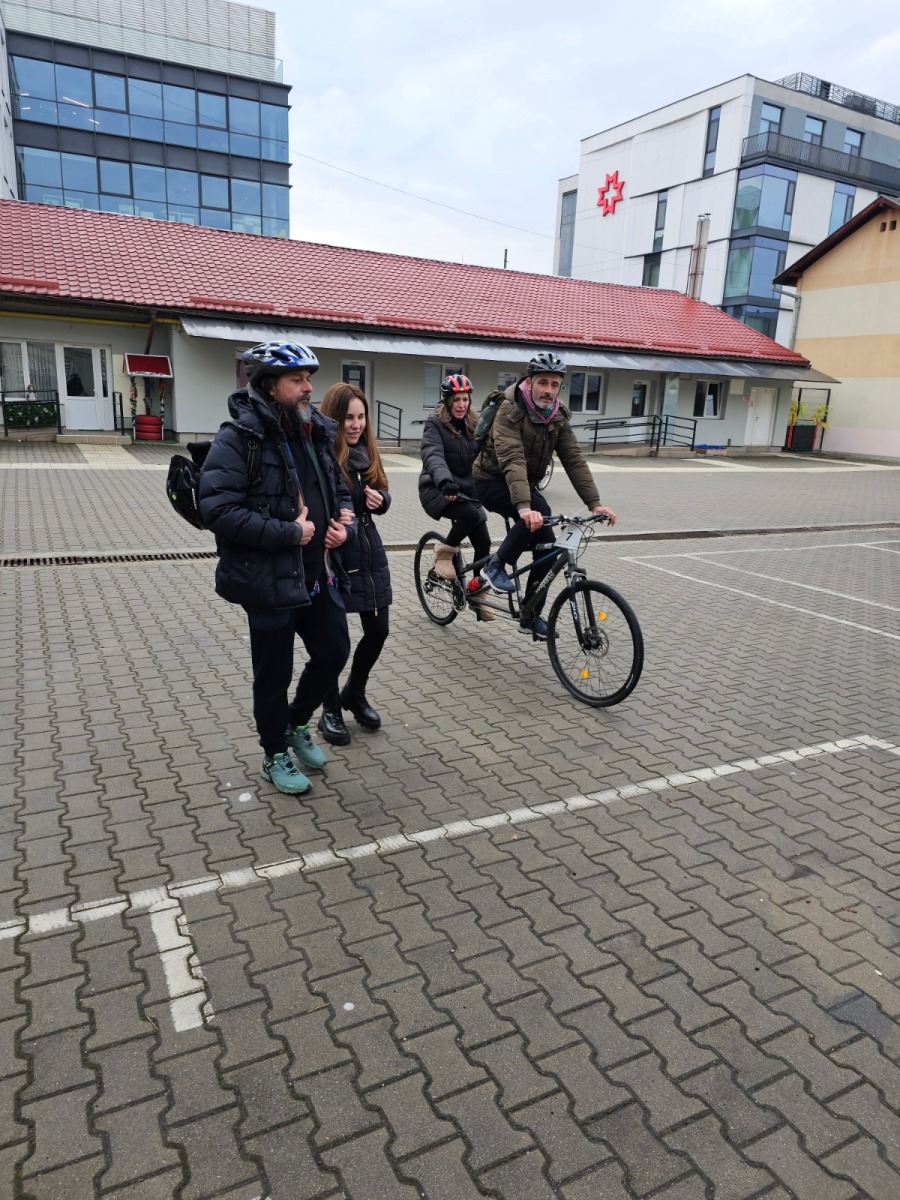
The practical session allowed participants to experience guided tandem cycling, helping them better understand the perspective of visually impaired cyclists and the importance of trust, cooperation, and clear communication.
This training represents the first learning step of the project. It was designed as a preparatory phase that builds the knowledge base needed for the second training course, “Inclusive Cycling: The Practice”, which will take place in Spain. By starting with shared concepts, values, and principles, the group created a common understanding that will support future activities and testing of inclusive cycling methods.
Participation in both trainings ensures continuity, deeper learning, and meaningful exchange between
By the end of the training, participants left with new knowledge, practical insights, and motivation to develop inclusive outdoor programmes and sports activities in their own communities.